
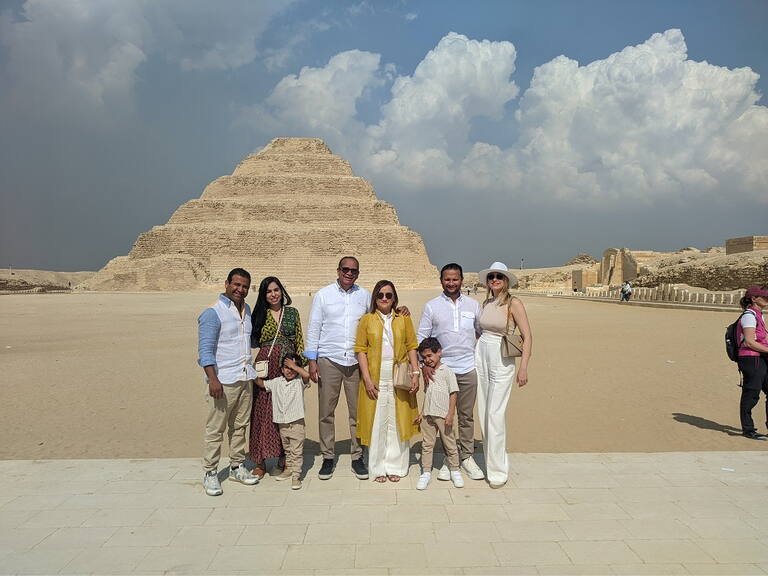
Essential Egypt Travel Tips for 2026: Visas, Money, SIM Cards & Safety
Essential Egypt Travel Tips for 2026: Everything You Need to Know Before You Go
Egypt is a land of ancient mysteries, bustling bazaars, and breathtaking natural beauty. From the Pyramids of Giza to the pristine coral reefs of the Red Sea, it is a bucket-list destination for millions. However, traveling to Egypt requires a bit more preparation than a typical European getaway. To ensure your trip is safe, smooth, and unforgettable, here is your ultimate guide to essential Egypt travel tips for 2026.
1. Visas and Entry Requirements
Before you even pack your bags, you need to sort out your visa. Most nationalities require a visa to enter Egypt. Luckily, the process is straightforward.
- Visa on Arrival: Available for many nationalities at major airports (Cairo, Hurghada, Sharm El Sheikh). You purchase it from a bank kiosk before reaching immigration. The cost is typically $25 USD. You must pay in exact cash (USD or EUR).
- E-Visa: You can apply online through the official Egyptian government portal before you travel. It is highly recommended to avoid queues. The cost is also $25 USD, and it takes about 5-7 business days to process.
- Sinai Stamp: If you are only visiting the Sinai Peninsula (Sharm El Sheikh, Dahab, Taba) for less than 15 days, you can get a free “Sinai Stamp” instead of a full visa. However, if you plan to go to Cairo or Luxor, you must get the full visa.
Pro Tip: Always check your specific country’s embassy website for the most up-to-date visa requirements.
2. Money Matters: Currency, ATMs, and Tipping
Understanding how money works in Egypt will save you a lot of stress. The local currency is the Egyptian Pound (EGP).
Cash vs. Card
While credit cards are widely accepted in hotels and upscale restaurants, cash is king in Egypt. You will need cash for taxis, street food, bazaars, and tips. Carry small denominations (50, 100, 200 EGP notes) as it can be difficult to get change for large bills.
ATMs and Exchange
ATMs are plentiful in major cities, but they often dispense large amounts of cash and charge high fees. It’s best to bring a mix of USD or EUR in cash to exchange at a bank or exchange office (which usually offer better rates than hotels).
The Art of Tipping (Baksheesh)
Tipping, known as Baksheesh, is a fundamental part of Egyptian culture. It is not just for service staff; it is a way of life. You will be expected to tip for almost every service.
- Restaurants: 10-15% is standard if not already added.
- Tour Guides/Drivers: $10-20 per day for a guide, $5-10 per day for a driver is a good baseline.
- Hotel Staff: $1-2 per bag, $2-5 per day for housekeeping.
- Bathroom Attendants: 5-10 EGP.
Pro Tip: Always carry a stash of small change (5, 10, 20 EGP notes) specifically for tipping.
3. Staying Connected: SIM Cards and Internet
Staying connected is crucial for navigation and staying in touch with your private driver.
- Local SIM Card: You can buy a local SIM card at the airport upon arrival from providers like Vodafone, Orange, or Etisalat. You will need your passport. Data packages are very affordable.
- eSIM: If your phone supports it, an eSIM (like Airalo or Holafly) is a fantastic option. You can buy it before you leave home and activate it the moment you land, avoiding the airport hassle.
- Wi-Fi: Available in most hotels and many cafes, but speeds can vary. Don’t rely on it for critical communications.
4. Safety and Security: What You Need to Know
Safety is a top concern for many travelers. Egypt is generally a very safe country for tourists, but it is important to be aware of your surroundings.
General Safety
The Egyptian government takes the safety of tourists very seriously. You will see Tourist Police at major attractions. Violent crime against tourists is rare. The biggest issue is usually petty theft or aggressive sales tactics.
Scams to Avoid
- The “Closed” Attraction: Someone tells you the museum or pyramid is closed today, but they can take you to a “better” papyrus shop instead. Don’t believe them. Always check official opening hours.
- Taxi Haggling: Official taxis rarely use meters. They will quote you an exorbitant price. Always agree on a price before getting in, or better yet, book a private transfer with a fixed rate.
- Unofficial Guides: People may offer to show you around or take your photo, then demand a large tip. Be firm and polite.
What to Wear
Egypt is a conservative country. While you can wear what you like in resorts, it is respectful to dress modestly when visiting cities, markets, and religious sites. For women, covering shoulders and knees is recommended. A light scarf is handy for visiting mosques.
5. Transportation: Navigating Egypt
Getting around Egypt can be chaotic. Here is a quick breakdown:
- Uber/Careem: Available in Cairo and Alexandria. Great for short trips.
- Public Transport: Buses and microbuses are very cheap but crowded and confusing for non-Arabic speakers.
- Private Transfers: For intercity travel (e.g., Cairo to Alexandria, Hurghada to Luxor, or airport pickups), a private transfer is by far the safest and most comfortable option. You avoid the stress of driving, haggling, and navigating unfamiliar roads.
6. Health and Packing Essentials
To avoid “Pharaoh’s Revenge” (traveler’s diarrhea), stick to bottled water. Avoid ice in drinks from street vendors and be cautious with raw salads.
What to Pack:
- High-SPF sunscreen and a hat (the sun is intense!).
- A universal power adapter (Egypt uses Type C and Type F plugs, 220V).
- Comfortable walking shoes (you’ll be doing a lot of walking at ancient sites).
- Stomach medication (Imodium) and rehydration salts.
- A light jacket or sweater for evenings in winter (Nov-Feb).
Frequently Asked Questions (FAQ)
Q: Can I drink the tap water in Egypt?
A: No, never drink tap water. Always drink bottled water, even for brushing your teeth.
Q: Is it safe for women to travel alone in Egypt?
A: Yes, it is generally safe, but solo female travelers often face unwanted attention. Dressing modestly and being firm (ignoring catcalls) helps. Booking private, reputable transfers adds a layer of security.
Q: What is the best time of year to visit Egypt?
A: The peak season is October to April, when the weather is cooler. Summer (May-Sept) is extremely hot, especially in Upper Egypt (Luxor/Aswan).
Conclusion: Prepare and Enjoy
Egypt is a magical destination that will leave you awe-struck. By taking the time to understand the visa process, manage your money, and arrange reliable transportation, you eliminate the stress and allow yourself to fully immerse in the history and culture.
At Egypt Taxi Transfer, we are here to handle all your transportation needs so you can focus on making memories. From airport pickups to full-day tours, our reliable team is ready to serve you.


Leave a Reply